

Canine Good Citizen (CGC) certification is an official American Kennel Club program that tests a dog on 10 real-world skills, including calm greetings, walking politely on a leash, and staying steady around distractions. Dogs that pass earn an AKC certificate and title. In Orange County, dog owners can prepare for and take the test through a certified CGC evaluator, often as a stepping stone toward therapy dog or advanced training work.
If you’ve ever wondered whether your dog is truly well-behaved, or you’re eyeing a therapy dog program that requires proof of good manners, Canine Good Citizen certification answers that question with an objective, nationally recognized standard. It’s not a trick or a title for show. It confirms your dog can handle a stranger’s approach, a crowded sidewalk, another dog passing by, and a sudden distraction without losing composure.
For Orange County dog owners, this matters more than it might in a rural setting. Between beach boardwalks in Dana Point, farmers markets in San Juan Capistrano, and busy trail heads in Laguna Niguel, dogs here are expected to handle a lot of stimulation calmly. This guide breaks down what the CGC test actually involves, how to prepare your dog, what it costs, and how to find a qualified evaluator near you.
What Is Canine Good Citizen Certification?
Canine Good Citizen certification is a program developed and administered by the American Kennel Club (AKC) to recognize dogs with reliable manners and stable temperaments in everyday situations.
The program was introduced in 1989 to give owners, trainers, and the public a shared benchmark for good behavior. Unlike breed-specific competitions, CGC is open to any dog, purebred or mixed breed, and it does not test athleticism or obedience precision the way a formal obedience trial does. It tests whether a dog is safe, controllable, and pleasant to be around.
A dog that passes earns the official AKC CGC title, which can be added after their name on records and certificates.
What Does the CGC Test Actually Cover?
The CGC test is made up of 10 individual exercises, evaluated one at a time by a certified evaluator. A dog must pass every exercise to earn the title; there is no partial credit.
- Accepting a friendly stranger – the dog allows someone to approach and greet the handler without breaking position.
- Sitting politely for petting – the dog allows a stranger to pet it without shying away or jumping.
- Appearance and grooming – the dog allows a light physical exam and brief grooming by a stranger, showing it tolerates being handled.
- Walking on a loose leash – the dog moves with the handler through turns and changes of pace without pulling.
- Walking through a crowd – the dog stays close to the handler while moving through several people.
- Sit and down on command, and staying in place – the dog follows basic commands and holds a position when told.
- Coming when called – the dog responds to a recall from about 10 feet away.
- Reaction to another dog – two handlers and dogs approach, stop, and exchange a greeting while both dogs remain under control.
- Reaction to distractions – the dog stays composed around a sudden noise, a jogger, a dropped object, or a similar surprise.
- Supervised separation – the dog is left with a trusted person for three minutes without excessive distress.
Each exercise reflects a situation dogs regularly face in daily life, not an artificial training drill.
Why Does CGC Certification Matter?
Is CGC Certification Required by Law?
No. CGC certification is not a legal requirement and does not grant public access rights the way a service dog designation does. It’s a voluntary credential that demonstrates good manners and temperament.
Does My Dog Need CGC Certification for Therapy Work?
Most therapy dog organizations, including Alliance of Therapy Dogs and Pet Partners, either require CGC certification or use very similar criteria as a prerequisite before a dog can begin therapy dog evaluation. If therapy work is the goal, CGC is usually the correct starting point.
Does CGC Help with Pet Insurance or Housing?
Some pet insurers and property managers view CGC certification favorably, and a small number offer minor discounts or reduced deposit requirements. Policies vary by provider, so it’s worth checking directly, but it is not a guaranteed benefit everywhere.
How Do You Prepare a Dog for the CGC Test?
Preparation typically takes anywhere from a few weeks to a few months, depending on the dog’s age, prior training, and temperament. A structured approach works better than last-minute cramming.
Start with foundational obedience. A dog needs a reliable sit, down, stay, and recall before layering in distraction work. Most Orange County trainers, including our own Training Basics program, build these commands over 5 to 10 sessions.
Add distraction and socialization work gradually. Practice around other dogs, strangers, and moderate noise before testing in a high-traffic environment. Local spots like the Laguna Niguel Dog Park or a quiet stretch of the Dana Point harbor work well for controlled exposure.
Practice the handling exercises specifically. Many dogs pass obedience commands easily but struggle with being touched by a stranger or having their paws and ears examined. Rehearse this at home with different people.
Do a mock test before the real one. A trainer who is also a certified CGC evaluator can run a practice session that mirrors the actual test, so nothing about the format catches you off guard.
What Does CGC Certification Cost?
Costs vary by trainer and region, but Orange County dog owners can generally expect two separate expenses.
| Item | Typical Range |
|---|---|
| Preparation training (multi-session package) | $200 – $600 |
| CGC evaluation/testing fee | $20 – $50 |
| AKC registration for the title (if not already registered) | Included with most evaluators |
Dogs that are already well-trained sometimes skip the multi-session package and go straight to a single prep session plus the test itself.
Common Mistakes Dog Owners Make Before the CGC Test
- Skipping real-world practice. Training in a quiet backyard doesn’t prepare a dog for a crowded sidewalk or a barking dog nearby.
- Testing too early. Puppies under a year sometimes lack the impulse control the test requires, particularly for supervised separation.
- Over-relying on treats during the test. The CGC test does not allow food rewards during exercises, so dogs need to perform on cue alone.
- Ignoring handler behavior. Evaluators also watch how the handler manages the leash and gives cues; tense or inconsistent handling can unsettle a dog that is otherwise ready.
Finding a Certified CGC Evaluator in Orange County
Not every dog trainer is authorized to administer the CGC test. Evaluators must complete AKC-approved evaluator training and maintain that certification. When searching locally, confirm the evaluator’s credential directly with the AKC’s official evaluator search tool or ask to see their evaluator number.
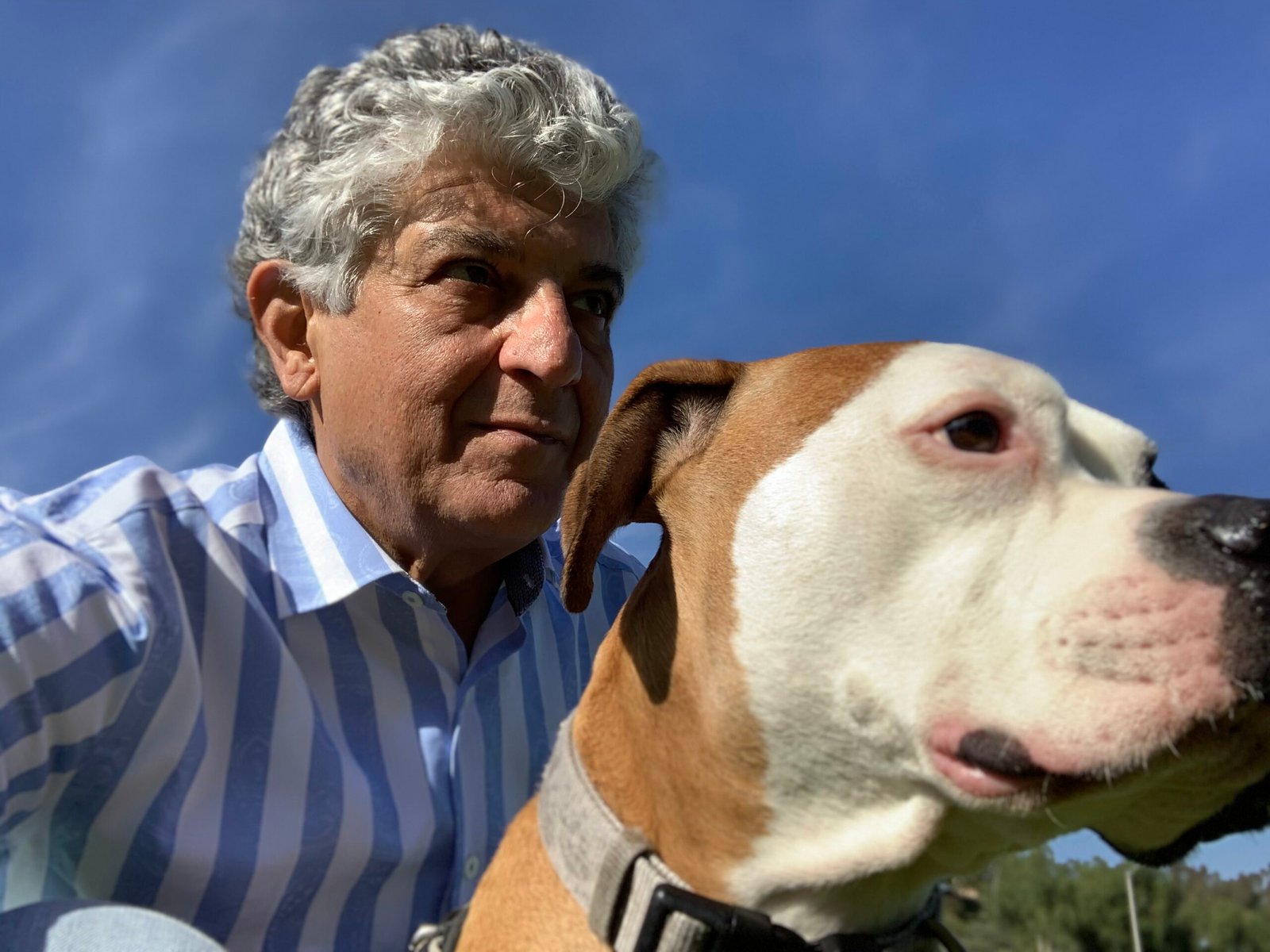
Pets Friend Forever’s founder, Bruce Afkami, is an AKC-approved CGC evaluator serving South Orange County, including Laguna Niguel, Dana Point, Ladera Ranch, Laguna Hills, San Juan Capistrano, and San Clemente. Our Advanced Canine Good Citizen program builds directly on our Training Basics and Premium All-Around programs, so dogs work up to the test through structured, positive-reinforcement sessions rather than a single cram course.
If your dog already struggles with specific behaviors like reactivity or leash pulling, it’s worth addressing those first through behavior correction training before scheduling a CGC evaluation.
Key Takeaways
- Canine Good Citizen certification is an AKC program that tests 10 real-world good-manners skills, not competitive obedience.
- It’s voluntary and carries no legal access rights, but it is commonly required before therapy dog work.
- Preparation usually takes a few weeks to a few months of structured training plus real-world socialization.
- Costs typically range from $220 to $650 total, including training and the evaluation fee.
- Only AKC-approved evaluators can administer the official test; always confirm credentials before signing up.
- Orange County owners can prepare and test locally with a certified evaluator rather than traveling out of the area.
Frequently Asked Questions
What is Canine Good Citizen certification? It’s an AKC program that tests a dog on 10 real-world exercises like polite greetings, loose-leash walking, and staying calm around distractions. Dogs that pass every exercise earn the official CGC title, a widely recognized sign of good manners and temperament.
How long does it take to prepare a dog for the CGC test? Most dogs need anywhere from four weeks to a few months, depending on their existing obedience level and temperament. Dogs with prior training often need only a short refresher, while younger or untrained dogs benefit from a full multi-session program first.
Can any dog take the CGC test? Yes. Any dog, purebred or mixed breed, of any age old enough to show basic self-control, can take the test. There is no breed restriction and no requirement to be AKC registered beforehand.
Is the CGC test the same as service dog certification? No. CGC certification tests general good manners and does not grant public access rights or task-trained status. Service dog qualification involves separate, task-specific training tied to a handler’s disability under the ADA.
What happens if a dog fails part of the CGC test? The dog can retake the test on another day once the specific skill has been practiced further. Evaluators typically give feedback on which exercise needs more work so owners know exactly what to address before retesting.
How much does CGC certification cost in Orange County? Expect to pay roughly $20 to $50 for the evaluation itself, plus $200 to $600 for preparation training if your dog needs it. Dogs that are already well-trained may only need a single prep session before testing.
Where can I find a certified CGC evaluator near me? Search the AKC’s official evaluator directory or ask a local trainer directly whether they hold current CGC evaluator status. In South Orange County, Pets Friend Forever offers both the training and the official evaluation through founder Bruce Afkami.
Is CGC certification required before therapy dog training? Most major therapy dog organizations either require CGC certification or evaluate against nearly identical criteria before allowing a dog into their program. Getting certified first is the most direct path if therapy work is the long-term goal.
Conclusion
Canine Good Citizen certification gives Orange County dog owners a clear, respected way to confirm their dog can handle real life calmly, whether that’s a crowded farmers market in San Juan Capistrano or a quiet greeting with a neighbor’s dog in Ladera Ranch. It’s a practical goal with a defined path: build the foundational obedience, practice around real distractions, and test with a qualified evaluator.
If you’d like to find out where your dog currently stands, Pets Friend Forever offers a free meet-and-greet evaluation to map out the right training path toward CGC certification. Contact us today to get started.